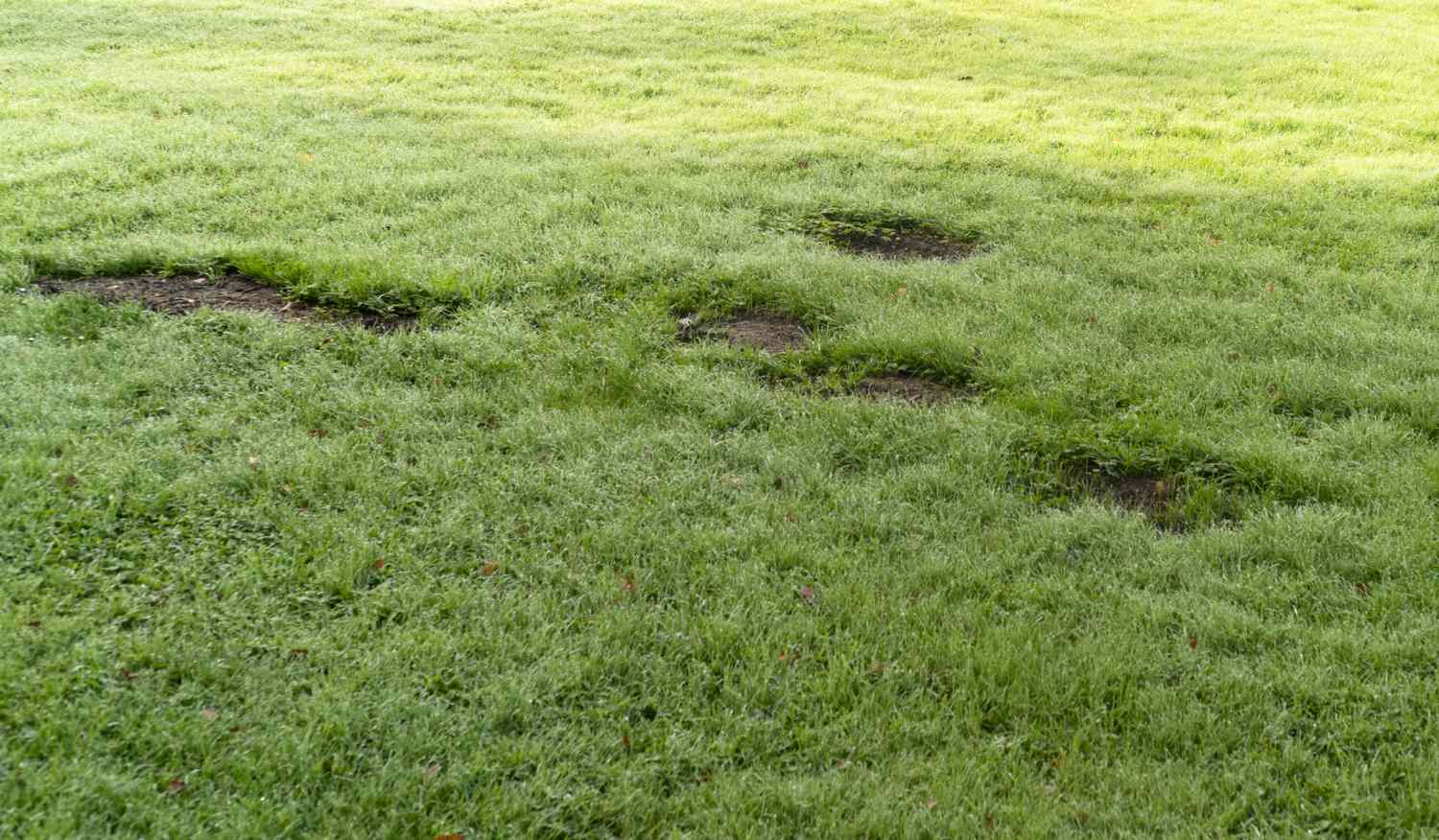
If your yard has dips, slopes, or uneven areas, you’re not alone. Many homeowners deal with this issue, often searching for how to fix an uneven yard after noticing drainage problems, patchy grass, or standing water.
An uneven yard isn’t just a cosmetic issue—it can affect your lawn’s health, your home’s foundation, and how usable your outdoor space really is. The good news is that with the right grading solutions, you can restore both function and appearance.
Before you can fix the problem, it’s important to understand what causes an uneven yard in the first place.
If your yard wasn’t properly leveled during construction, it can lead to long-term issues. Improper grading often causes water to collect in low spots.
Rainfall and drainage problems can wash away soil over time, creating dips and uneven surfaces.
Ongoing drainage problems can soften the ground, leading to sinking or shifting areas throughout your yard.
As trees grow or soil naturally settles, it can create bumps and uneven terrain.
Not sure if your yard needs professional grading? Here are some clear signs:
If you’re noticing any of these, it’s time to look into how to fix your uneven yard before the issue worsens.
Fixing an uneven yard depends on the severity of the issue, but there are several effective solutions.
The most effective way to fix an uneven yard is through professional grading. This involves reshaping the land to create a smooth, even surface while ensuring proper water flow.
For minor uneven areas, adding soil and leveling the surface can help correct small dips and low spots.
If water is the root cause, combining grading with drainage solutions ensures the problem doesn’t come back. Systems like French drains or catch basins help redirect water away from your yard.
After leveling, many homeowners choose sod installation to create a smooth, green lawn instantly. This completes the transformation and improves curb appeal.
Fixing your yard isn’t just about looks—it’s about long-term performance.
Proper grading helps:
Without proper grading, uneven areas often return, especially if drainage isn’t addressed at the same time.
Some homeowners attempt to fix an uneven yard themselves, but larger issues usually require professional expertise.
A professional approach ensures:
When done correctly, grading sets the foundation for everything else in your landscape—from planting and sod installation to hardscaping features.
An uneven yard can make your outdoor space frustrating to use and difficult to maintain. But with the right grading and drainage solutions, you can completely transform your lawn into a smooth, functional area.
Whether you're dealing with small dips or major slope issues, fixing your yard properly will improve both its appearance and performance for years to come.

Ready to fix your uneven yard and create a smooth, functional landscape? Ridgeview Landscape provides expert grading and drainage solutions designed to deliver long-lasting results for your outdoor space.


.svg)
.svg)