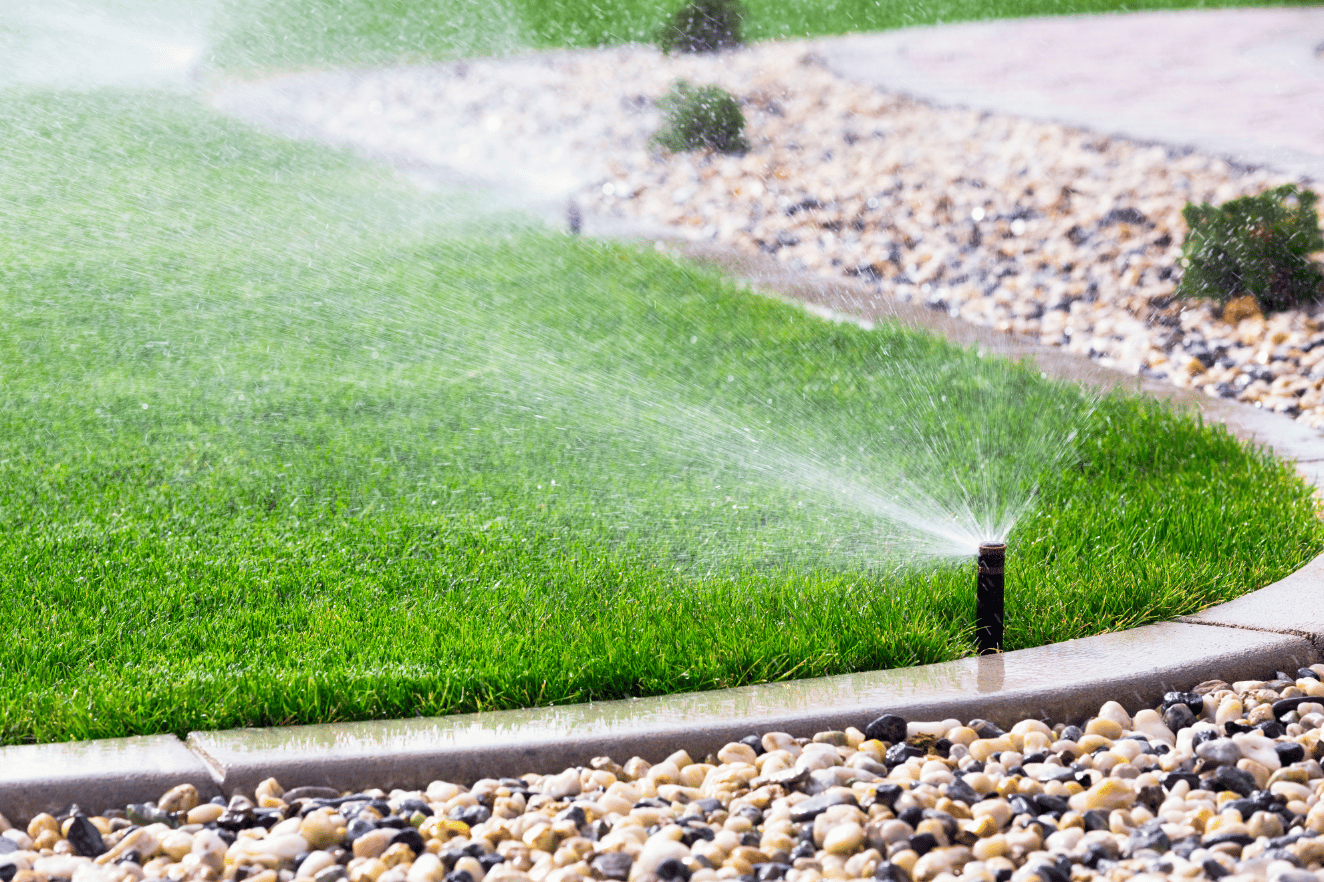
One of the most common questions homeowners ask is how often should you water your lawn. Getting this right is essential for maintaining healthy, green grass without wasting water or damaging your yard.
Water too little, and your lawn dries out. Water too much, and you risk root rot, disease, and drainage issues. Finding the right balance is key to keeping your lawn looking its best year-round.
In general, most lawns need about 1 to 1.5 inches of water per week, either from rainfall or irrigation. This usually means watering your lawn 2 to 3 times per week rather than every day.
Deep, less frequent watering encourages strong root growth, which helps your grass stay healthy even during hot or dry conditions.
Timing matters just as much as frequency when figuring out how often to water your lawn.
The best time to water is:
Watering in the morning allows moisture to soak into the soil before it evaporates, giving your lawn the hydration it needs.
Your watering schedule should change throughout the year. Understanding seasonal needs is an important part of knowing how often to water your lawn.
Grass begins to grow, so moderate watering is needed. Rainfall may reduce how often you need to water.
Hot temperatures increase evaporation, so lawns often need more frequent watering. Deep watering becomes especially important.
Watering can be reduced as temperatures cool, but consistent moisture still helps maintain healthy roots.
Most lawns require very little watering, depending on your region and rainfall.
If you’re unsure whether you’re watering correctly, watch for these signs:
Recognizing these signs can help you adjust your watering schedule and improve your lawn’s health.
A well-designed sprinkler system can make a big difference in maintaining your lawn.
Benefits of proper irrigation include:
Instead of guessing how often to water your lawn, an efficient irrigation system takes the guesswork out of the process.
Not all lawns are the same. Several factors can impact how often you should water:
For example, lawns with poor drainage or uneven grading may hold water longer, requiring adjustments to your watering schedule.
To get the best results, follow these simple tips:
These steps will help ensure your lawn stays green and healthy without unnecessary effort.
Understanding how often to water your lawn is one of the most important parts of lawn care. With the right schedule, proper irrigation, and attention to your yard’s unique conditions, you can maintain a lawn that looks great in every season.
Consistent watering—combined with proper grading, drainage, and maintenance—creates a strong foundation for a thriving outdoor space.

Want a healthier lawn without the guesswork? Ridgeview Landscape can help you optimize your irrigation system and lawn care approach for long-lasting, professional results.


.svg)
.svg)