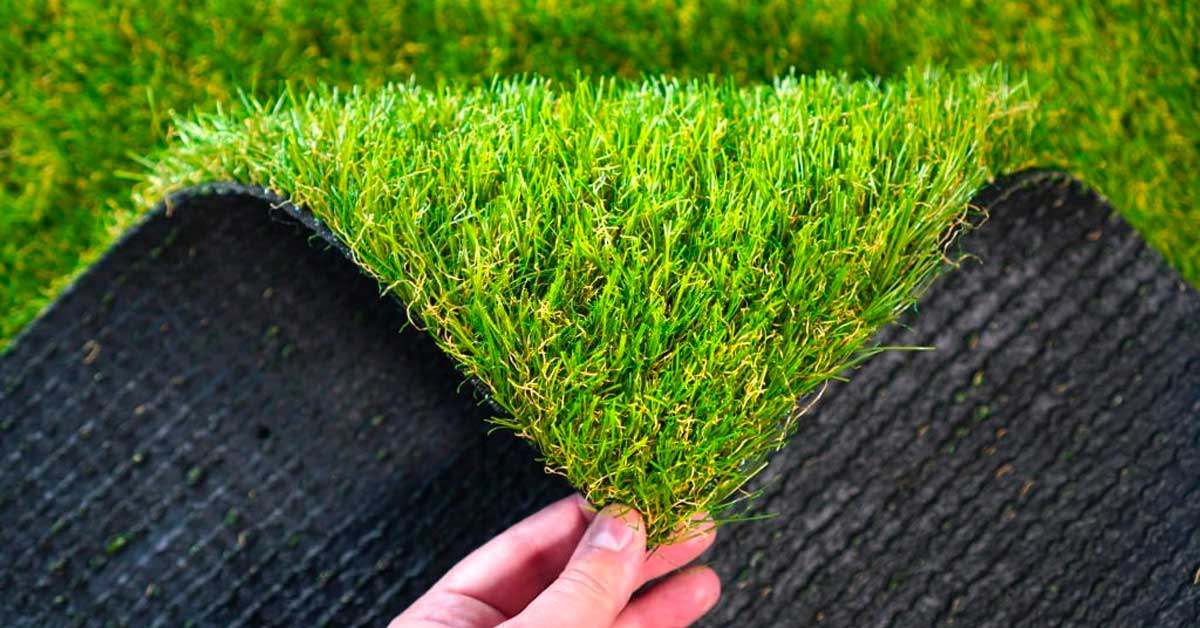
Choosing between artificial turf vs natural grass is one of the most common decisions homeowners face when upgrading their outdoor space. Both options have their advantages, but the right choice depends on your lifestyle, maintenance preferences, and long-term goals.
If you're looking to improve your yard’s appearance while keeping maintenance manageable, understanding the key differences between artificial turf and natural grass will help you make the best decision.
Artificial turf is a synthetic grass solution designed to look and feel like real grass without the need for watering, mowing, or fertilizing. It’s become increasingly popular among homeowners who want a clean, green lawn year-round.
With professional turf installation, artificial grass can transform any yard into a low-maintenance, visually appealing space.
Natural grass is the traditional option most homeowners are familiar with. It provides a soft, natural look and can enhance curb appeal when properly maintained.
However, keeping natural grass healthy often requires consistent care, including watering, mowing, fertilizing, and occasional sod installation or lawn repair.
When comparing artificial turf vs natural grass, it’s important to look at the factors that matter most to homeowners.
One of the biggest advantages of artificial turf is how little maintenance it requires. There’s no mowing, watering, or fertilizing—just occasional cleaning.
On the other hand, natural grass requires ongoing care. Regular mowing, watering, and seasonal treatments are necessary to keep it looking its best.
Artificial turf doesn’t require watering, making it a great option for homeowners looking to reduce water usage.
Natural grass, however, needs consistent watering—especially during hot seasons—which can increase utility costs over time.
Both options can look great, but they offer different benefits.
Artificial turf is highly durable and can handle heavy foot traffic, pets, and outdoor activities without wearing down.
Natural grass can become patchy or damaged in high-traffic areas, often requiring repairs or new sod installation.
While turf installation may have a higher upfront cost, it typically saves money over time due to reduced maintenance and water usage.
Natural grass may cost less initially, but ongoing maintenance expenses can add up.
Artificial turf is ideal if you:
Many homeowners choose artificial turf installation for backyards, side yards, and areas where grass struggles to grow.
Natural grass may be the better fit if you:
With proper care and occasional sod installation, natural grass can still be a beautiful and functional option.
In some cases, the best solution isn’t choosing one over the other—it’s combining both.
Homeowners often use:
This hybrid approach can create a balanced outdoor space that looks great and functions well.
Deciding between artificial turf vs natural grass comes down to your priorities. If you want convenience and long-term savings, turf may be the better option. If you value a natural look and don’t mind upkeep, grass might be the way to go.
Either way, a well-planned outdoor space—supported by proper installation, grading, and design—makes all the difference in how your yard looks and performs.

Ready to upgrade your lawn with the right solution for your space? Ridgeview Landscape can help you choose between artificial turf and natural grass while delivering a clean, long-lasting result tailored to your property.


.svg)
.svg)